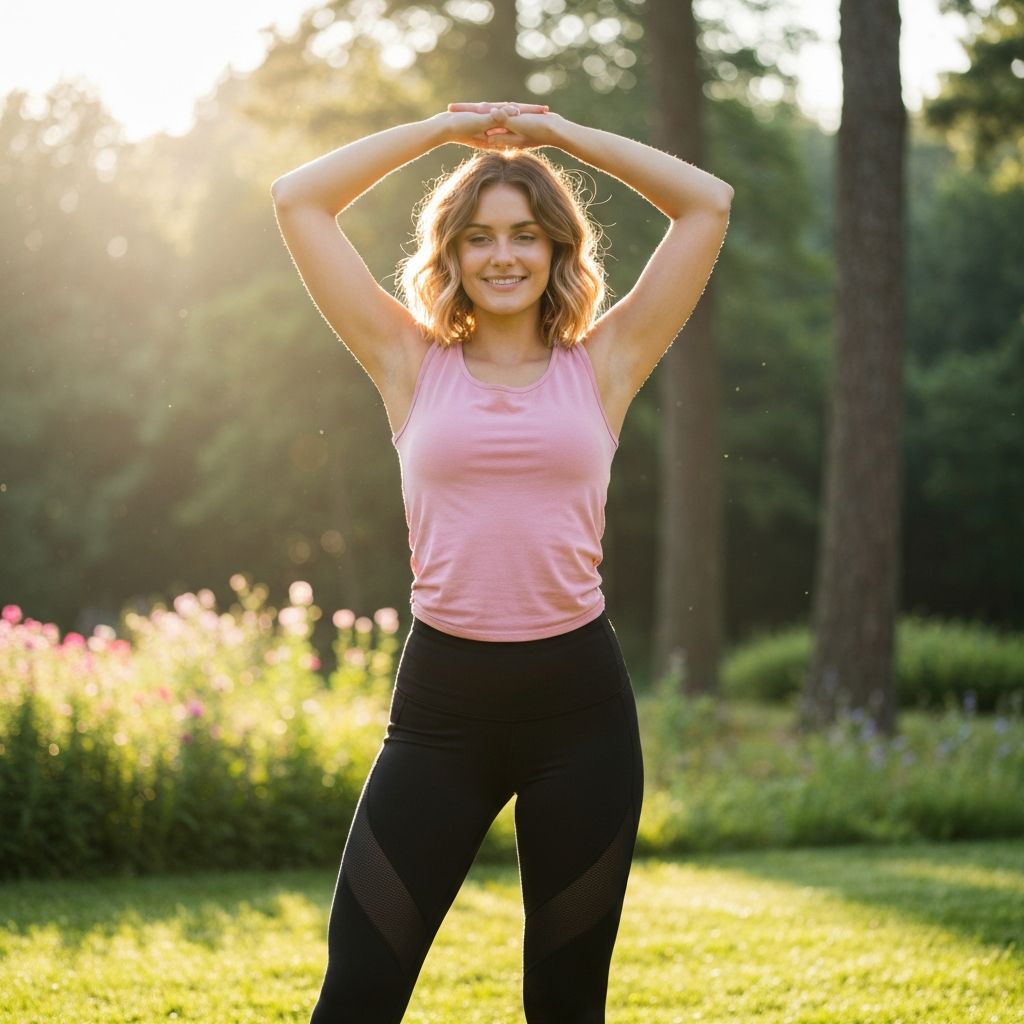
The Importance of Regular Stretching for Your Body
Understanding how gentle, consistent stretching practices support natural body movement and contribute to everyday comfort.
Regular stretching is not about pushing limits or achieving extreme flexibility. It's about maintaining the body's natural range of motion, supporting daily activities, and fostering a mindful connection with how your body moves through space.
As we move through life, particularly after 40, our bodies benefit from consistent, gentle attention. Stretching practices offer a way to check in with yourself, notice areas of tension, and gradually encourage ease of movement.
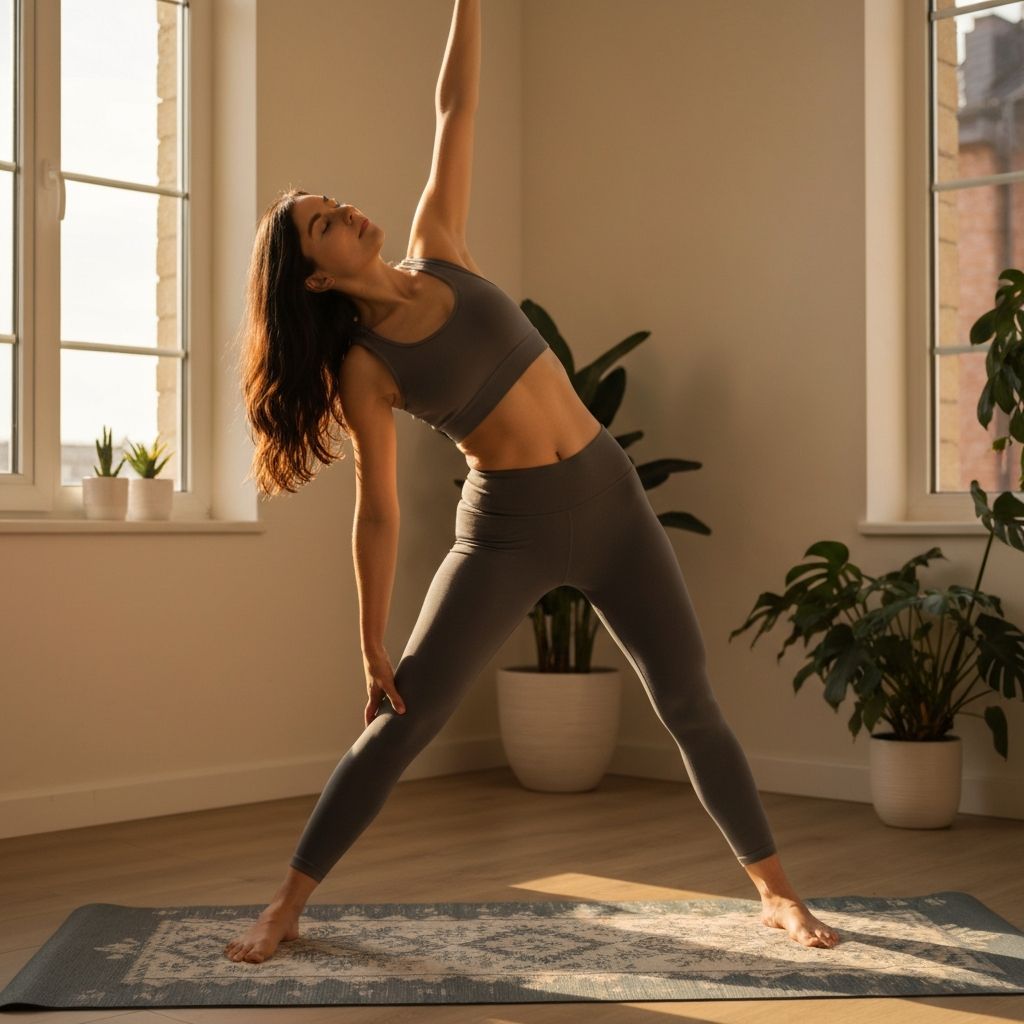
The Role of Stretching in Everyday Movement
Natural Mobility
Movement isn't just for exercise sessions. It's woven into every moment of your day, from reaching for a shelf to bending to tie your shoes. Regular stretching supports these natural movements.
Body Awareness
Gentle stretching practices help you develop a deeper understanding of your body's current state, noticing patterns of tension and areas that feel more open.
Everyday Comfort
Maintaining flexibility through consistent, mindful stretching can contribute to greater ease in daily activities and a sense of physical wellbeing.
Stretching as Part of Your Active Lifestyle
An active lifestyle after 40 doesn't require intense workouts or aggressive training regimens. It's about consistent, gentle practices that respect where your body is today.
Incorporating stretching into your daily routine can be as simple as a few minutes in the morning or evening. These moments of movement create space for both physical and mental reset.
Expand your understanding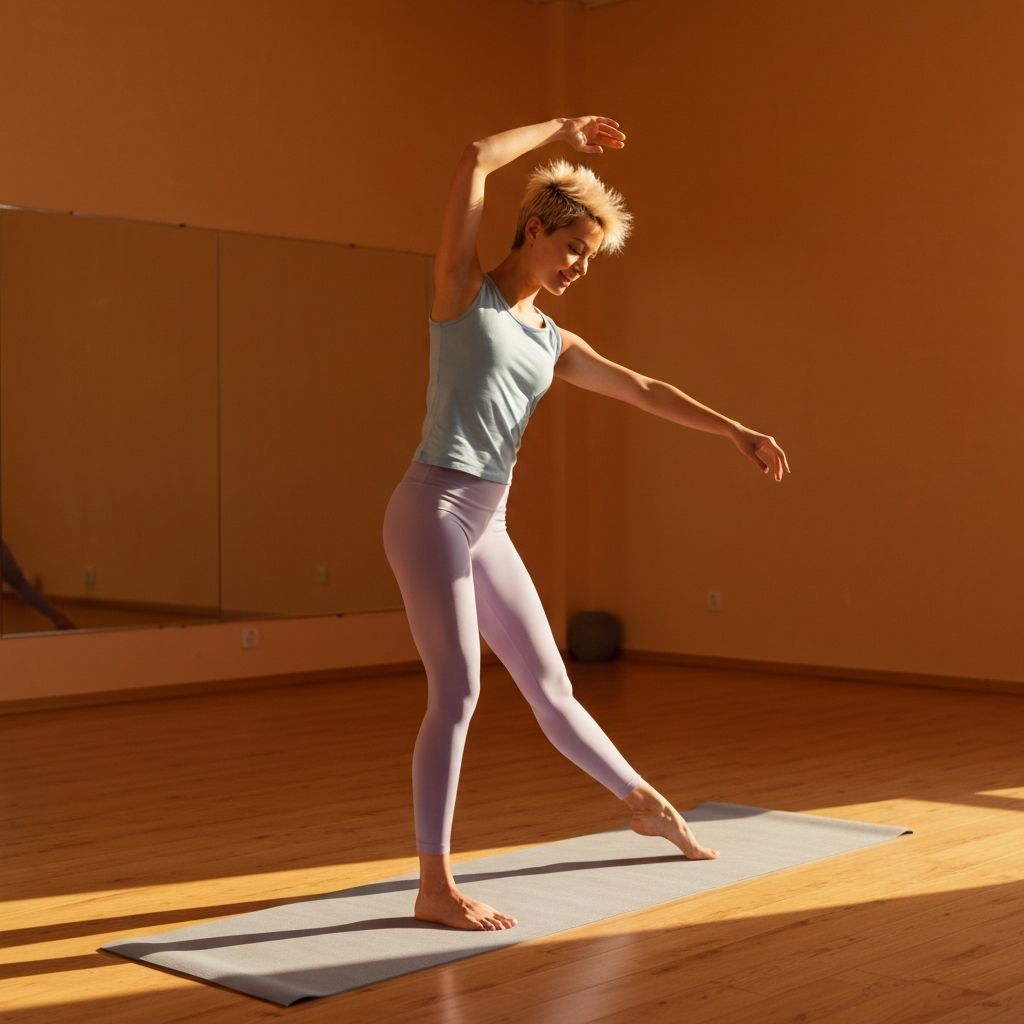
Gentle Mobility Without Overloading
Approach movement with patience and respect for your body's natural rhythms
Listen to Your Body
There's no need to push into discomfort. Stretching should feel like a gentle exploration, not a battle. If something doesn't feel right, ease off and try a different approach.
Gradual Progression
Small, consistent efforts over time create lasting change. Rather than seeking immediate results, focus on building sustainable habits that work with your lifestyle.
No Competition
Your stretching practice is personal. It doesn't matter what others can do or how flexible you used to be. What matters is showing up for your body today.
Consistency Over Intensity
A gentle five-minute daily practice often serves you better than an occasional intense session. Regular, manageable efforts build habits that last.
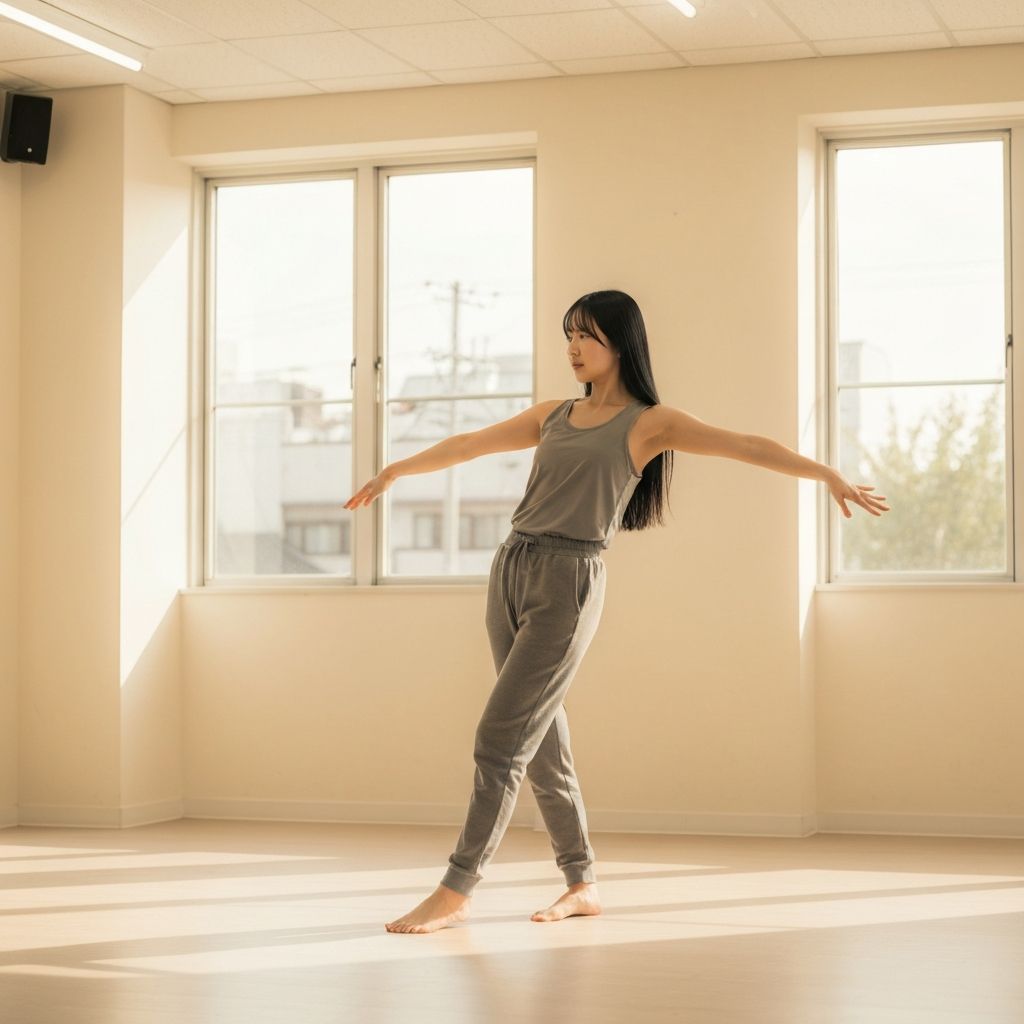
Flexibility as an Element of Body Awareness
Flexibility isn't just about how far you can bend or stretch. It's about understanding your body's current capacity and working with it, not against it.
Through regular, mindful stretching, you develop a sense of how your body responds to different movements, positions, and ranges of motion. This awareness extends beyond your practice and into daily life.
Notice how you move throughout the day. Do certain activities feel easier? Are you more conscious of your posture? These subtle shifts are part of developing body awareness.
Morning Stretching: An Approach Without Rush
Starting your day with gentle movement can set a calm, intentional tone for the hours ahead
Wake Your Body Gradually
Before getting out of bed, try gentle movements like stretching your arms overhead or pointing and flexing your feet. These small actions signal to your body that it's time to wake up.
Simple Standing Stretches
Once you're up, a few minutes of easy standing stretches, side bends, gentle twists, or forward folds can help you feel more present in your body.
No Need for Perfection
Some mornings you'll feel more mobile than others. That's completely normal. Meet your body where it is each day without judgment.
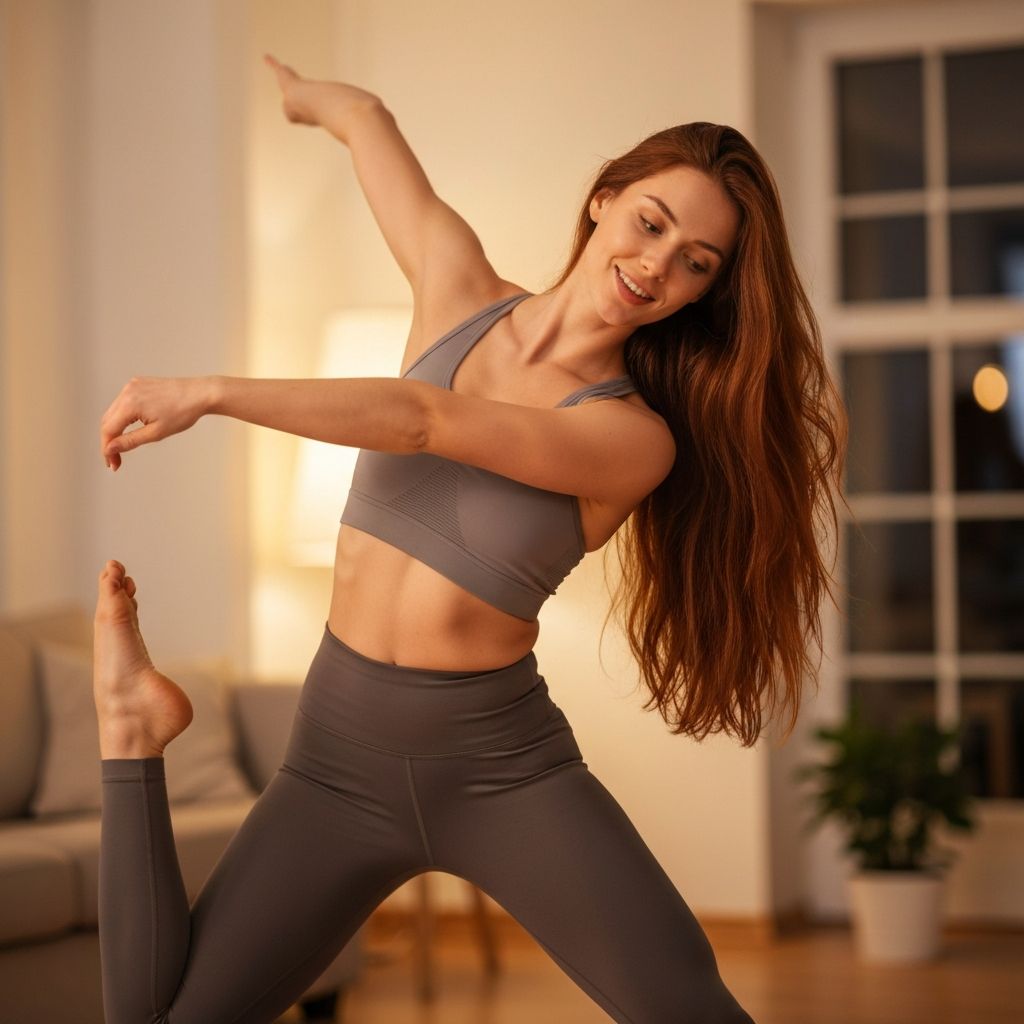
Evening Practices for Relaxation
As your day winds down, gentle stretching can help transition from activity to rest. Evening practices don't need to be complex or time-consuming.
Consider simple floor-based stretches that allow you to settle into stillness. Focus on releasing areas that may have accumulated tension during the day, such as your neck, shoulders, or lower back.
Pairing gentle stretching with slow, mindful breathing can further support the shift from doing to being, helping prepare your body and mind for restful sleep.
Stretching and Body Balance
Balance is about more than standing on one foot. It's about how your body coordinates movement and maintains stability in various positions.
Physical Balance
Regular stretching can support the muscles and joints involved in maintaining balance. As we age, maintaining balance becomes increasingly important for confident, safe movement.
Mental Presence
When you practice stretching with attention and focus, you're also training your mind to be present. This mental clarity can extend to other areas of life.
Breathing During Movement
Your breath is a constant companion during stretching practices. Rather than holding your breath when you reach a point of tension, try to maintain steady, relaxed breathing.
Breathing deeply and slowly can help your nervous system recognize that you're safe, even when exploring new ranges of motion. This sense of safety allows your muscles to release tension more easily.
There's no single "correct" way to breathe during stretching, but generally, slow, deep breaths through your nose support relaxation and body awareness.
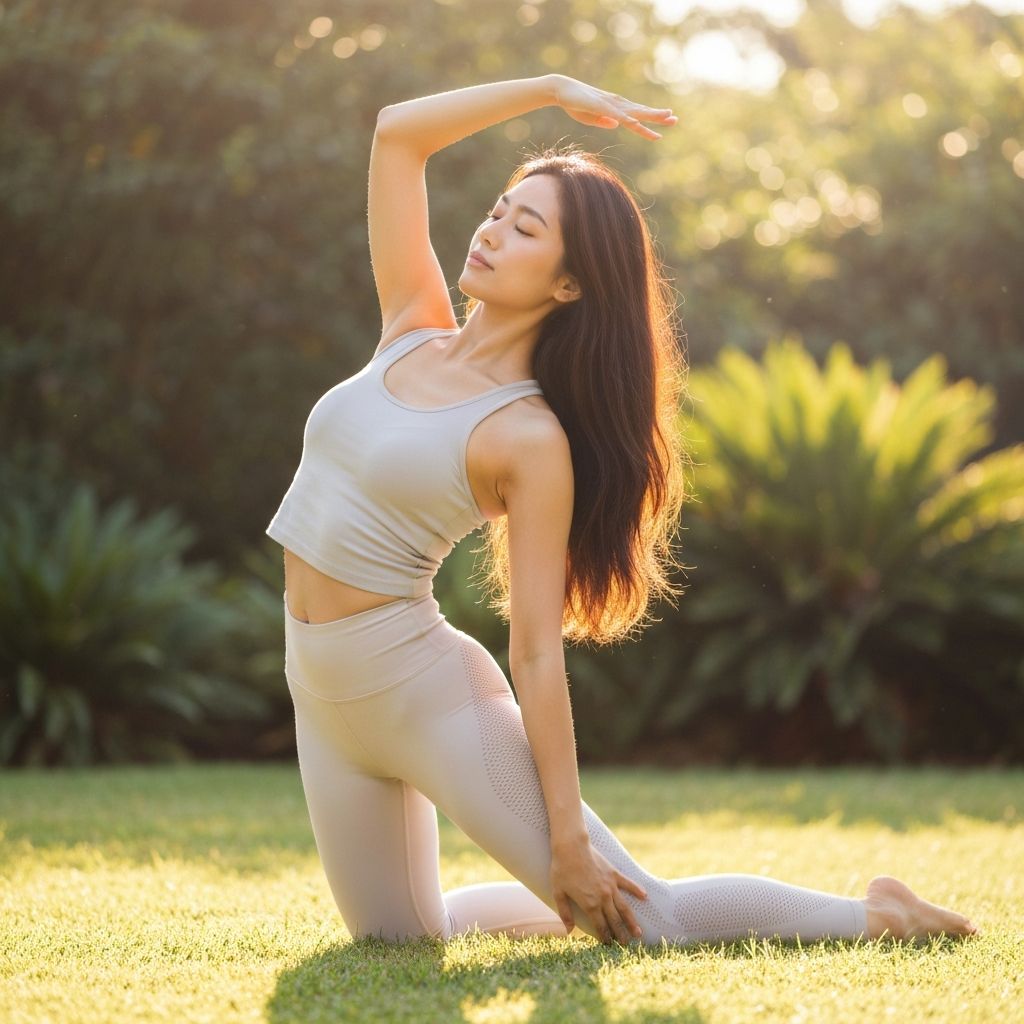
Gradual Progress and Regularity
Starting Out
In the beginning, simply showing up consistently matters more than how long you stretch or how deep you go. Even five minutes daily is valuable.
Building Awareness
Over time, you'll notice patterns in how your body responds. Some days feel easier, others more restricted. Both are normal and part of the process.
Sustainable Practice
Eventually, stretching becomes woven into your daily rhythm. It's not something you force yourself to do, but rather something you look forward to.
Simple Movement Examples for Home
You don't need special equipment or a lot of space to practice gentle stretching at home
Neck Releases
Gently tilt your head to one side, bringing your ear toward your shoulder. Hold for a few breaths, then repeat on the other side. This can ease tension from desk work or phone use.
Shoulder Rolls
Roll your shoulders backward in slow, controlled circles. This simple movement can help release upper back and shoulder tension that accumulates throughout the day.
Gentle Twists
While seated or standing, place one hand on the opposite knee or chair back and gently rotate your torso. Twists can help maintain spinal mobility.
Cat-Cow Movement
On hands and knees, alternate between arching your back and rounding it. This flowing movement is often soothing for the spine.
Hip Openers
Seated or lying down, gentle hip stretches can support lower body mobility. Try figure-four position or simple leg crosses with mindful breathing.
Calf Stretches
Using a wall or sturdy surface for support, gently stretch your calf muscles. This can be particularly helpful if you spend time walking or standing.
Remember: These are general examples for educational purposes. Every body is different, and what works for one person may not suit another.
Insights from Movement Consultants
Our consultants in movement and mobility share knowledge about sustainable approaches to body care
"The most sustainable approach to stretching is one that fits naturally into your life. Rather than trying to follow rigid routines, find moments throughout your day where gentle movement feels appropriate and accessible."
"Many people think they're 'not flexible enough' to stretch. But that's precisely why gentle stretching can be so valuable. You're not trying to achieve a particular shape or position; you're simply exploring your current range of motion with curiosity."
Educational Resources on Body Mobility
Understanding Your Body's Signals
Learn to distinguish between productive stretching sensations and signs that you're pushing too far. Understanding these differences helps you practice safely and effectively.
Explore related knowledgeCreating a Sustainable Practice
Discover approaches for building stretching habits that last. Learn about consistency, adaptation, and how to maintain motivation over time.
Follow the explanation step-by-stepMovement Throughout the Day
Explore ways to incorporate gentle movement into your daily activities, from work breaks to household tasks.
Unpack the concept furtherBody Awareness Practices
Learn about developing a deeper connection with how your body feels and moves, supporting more mindful stretching practices.
See examples in contextExperiences with Gentle Movement Practices
"I started with just five minutes in the morning. After a few months, I noticed I was moving more easily throughout the day. Nothing dramatic, just a general sense of being more comfortable in my body."
"What I appreciate most is that I don't have to push myself. Some days I do more, some days less. It's about showing up and being present with my body, wherever it is that day."
"I used to think stretching was only for athletes or yogis. Learning that gentle stretching is simply about maintaining everyday movement has made it feel accessible and relevant to my life."
"The educational approach helped me understand what I was doing and why. It's not about achieving flexibility goals, but about consistent, mindful attention to my body's needs."
Individual experiences shared for educational purposes. Results may vary for each person.
Frequently Asked Questions
Daily practice, even if brief, tends to be more beneficial than occasional longer sessions. Start with whatever feels manageable for your schedule, whether that's five minutes or fifteen. Consistency matters more than duration.
Both times offer benefits. Morning stretching can help wake your body and set an intentional tone for the day. Evening stretching may support relaxation and transition to rest. The best time is whenever you'll actually do it consistently.
Your current level of flexibility is simply your starting point, not a limitation. Gentle stretching is about working with your body as it is today, not trying to match anyone else's abilities or achieve specific positions.
No special equipment is required. A comfortable surface to stand or sit on is sufficient. Some people enjoy using a mat for floor-based stretches, but it's not necessary to begin.
Stretching should feel like gentle exploration, not strain. You may feel a mild sensation of lengthening or tension, but never sharp pain. If you can breathe comfortably and maintain the position without shaking or grimacing, you're likely in an appropriate range.
Regular, gentle stretching may support ease of movement for many people. However, this is not medical advice. If you experience persistent discomfort or stiffness, consult with a healthcare professional.
Active stretching involves using your own muscles to create and hold a stretch, while passive stretching uses gravity, props, or external support. Both approaches have value and can be part of a balanced practice.
For gentle, everyday stretching, holding positions for 15-30 seconds is often sufficient. The key is steady, relaxed breathing throughout. Avoid holding your breath or pushing into discomfort.
Ready to Explore Mindful Movement?
Learn more about incorporating gentle stretching into your daily life